
Bounty Hunter Metal Detectors for Everyday Finds
Simple detectors for coins, jewelry, and small relics. Built for beginners, easy to use, and ready for real results.
Starter Models
Target ID Models
Choose a Bounty Hunter detector by search type
Start with target type, search location, and control style.
Popular Bounty Hunter Detectors
Simple, reliable models chosen by beginners and hobby users.
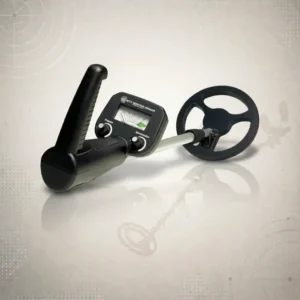
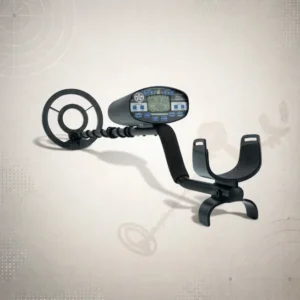
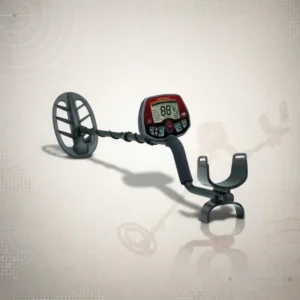
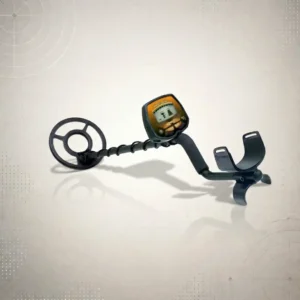
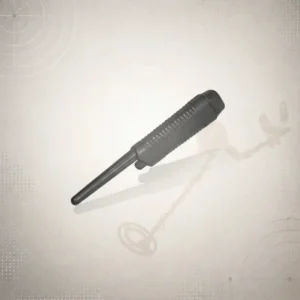
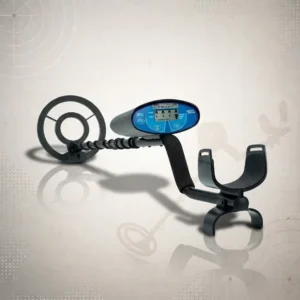
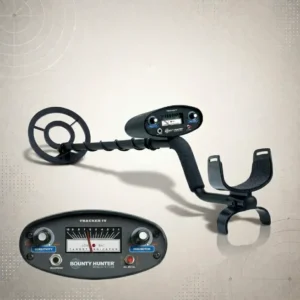
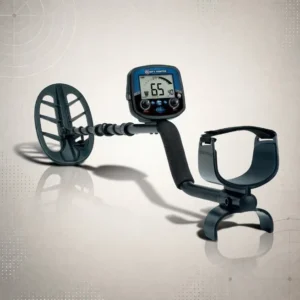
About Bounty Hunter Detectors
Bounty Hunter is a well-known metal detector brand from First Texas Products. The lineup focuses on practical, easy-to-use models designed for beginners, hobby users, and everyday outdoor searches.
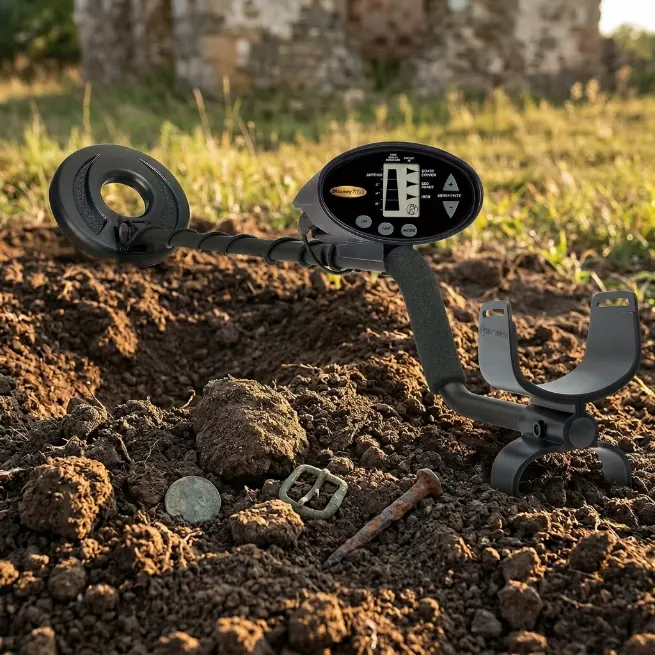
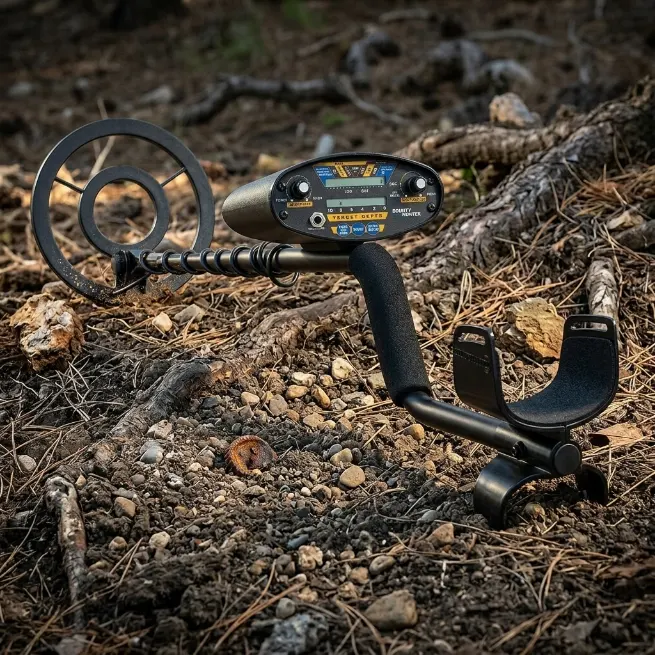
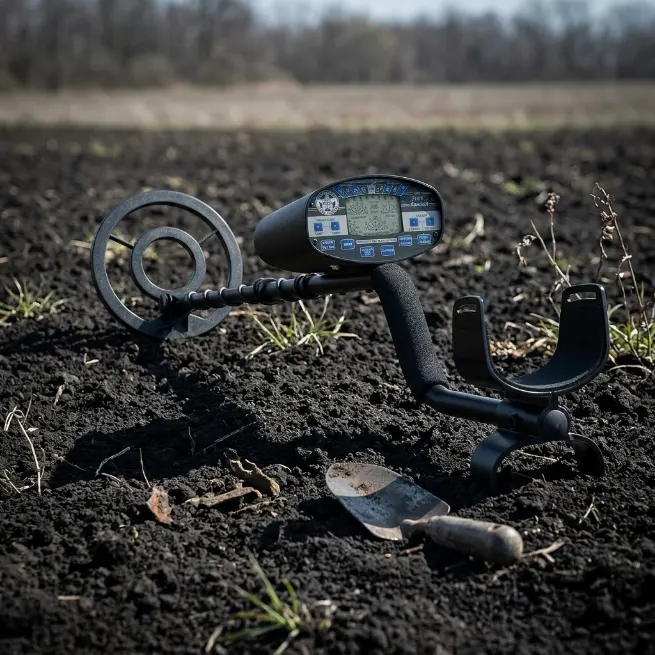
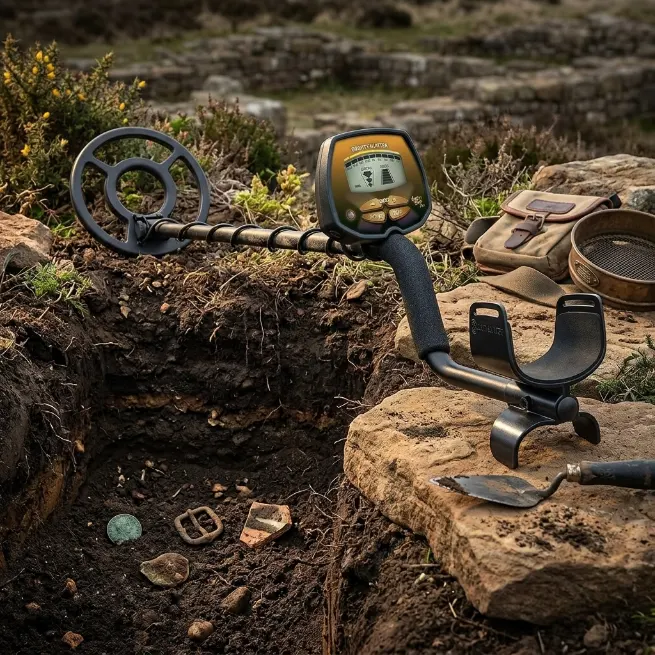
Most detectors are built for finding coins, jewelry, and small relics in parks, fields, and light terrain. The controls are simple, the setup is quick, and the learning curve is low — making them a common starting point for new users.
Most detectors are built for finding coins, jewelry, and small relics in parks, fields, and light terrain. The controls are simple, the setup is quick, and the learning curve is low — making them a common starting point for new users.
Why People Compare Bounty Hunter:
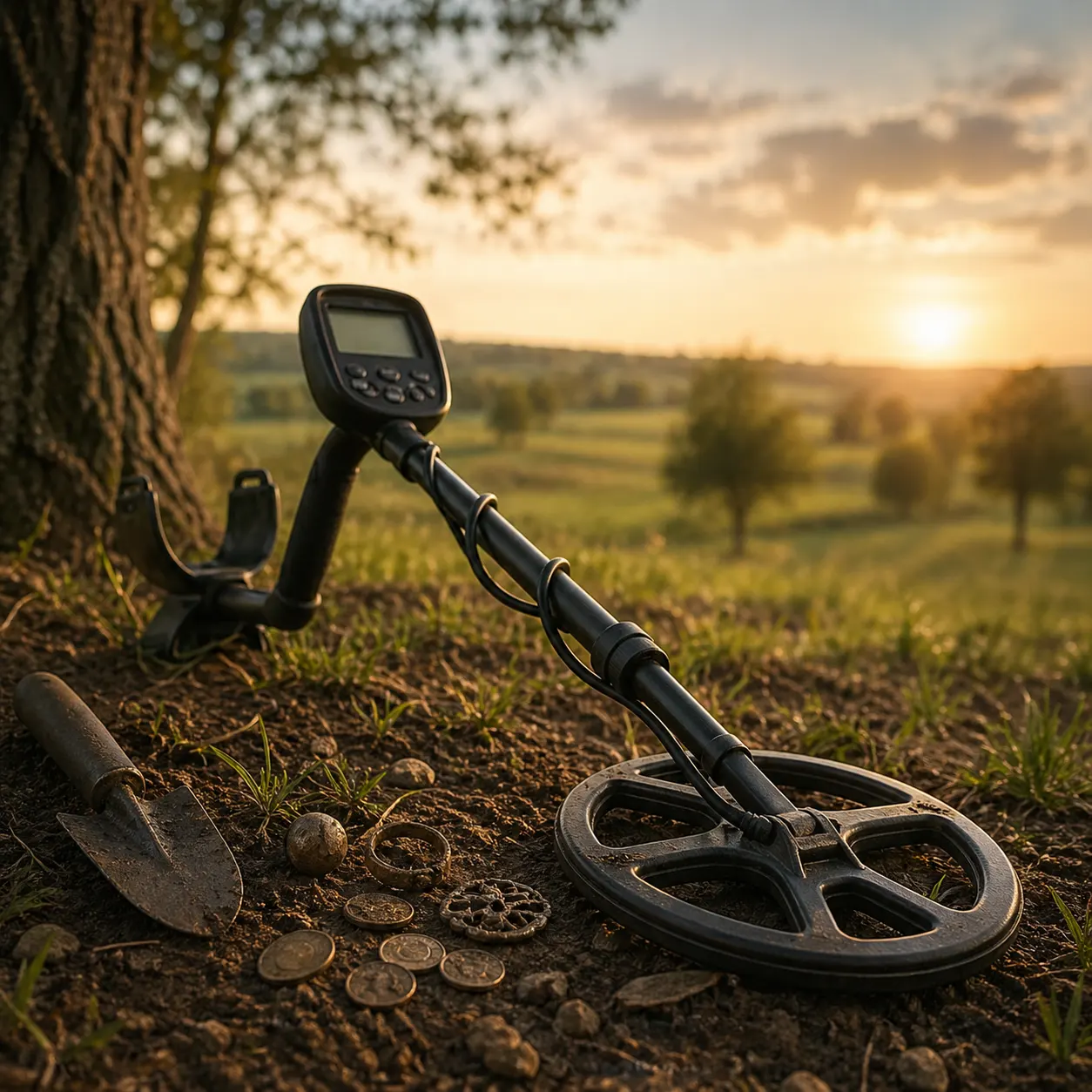
Categories
Start with the search type, target, and control style.
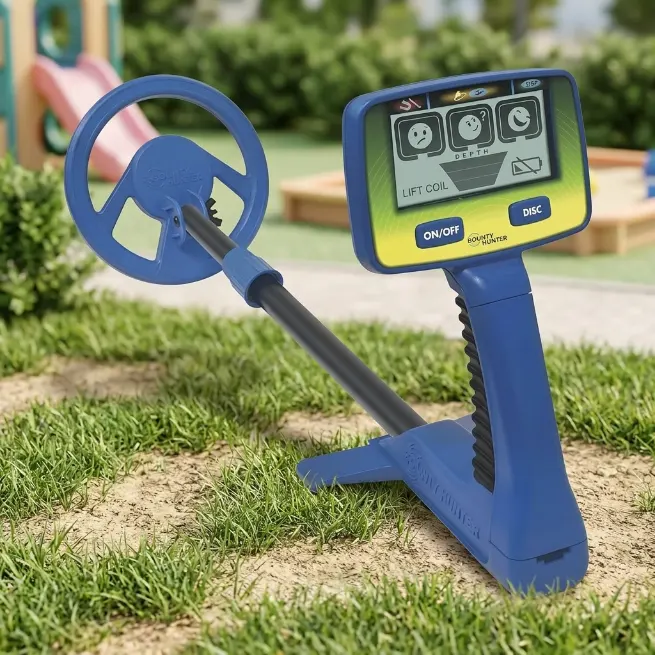
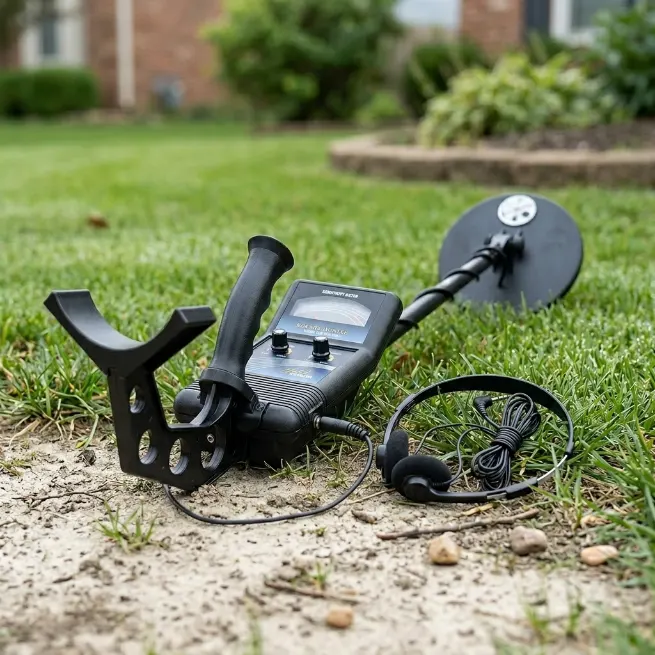
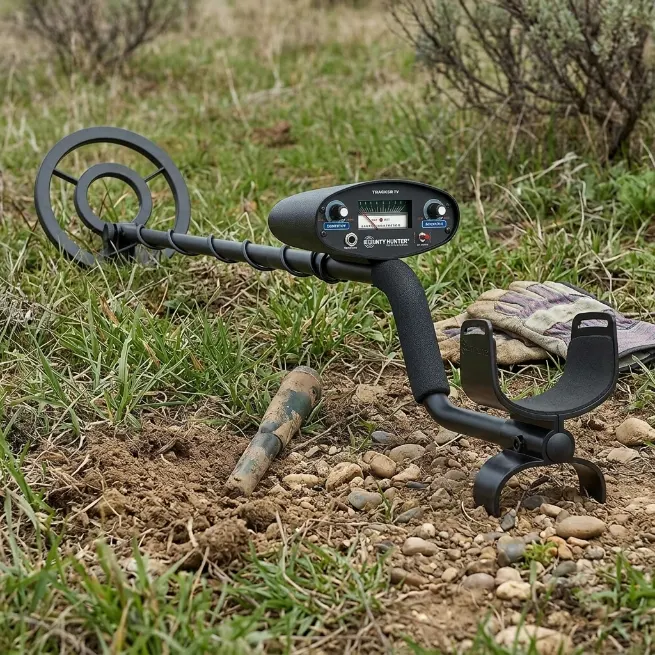
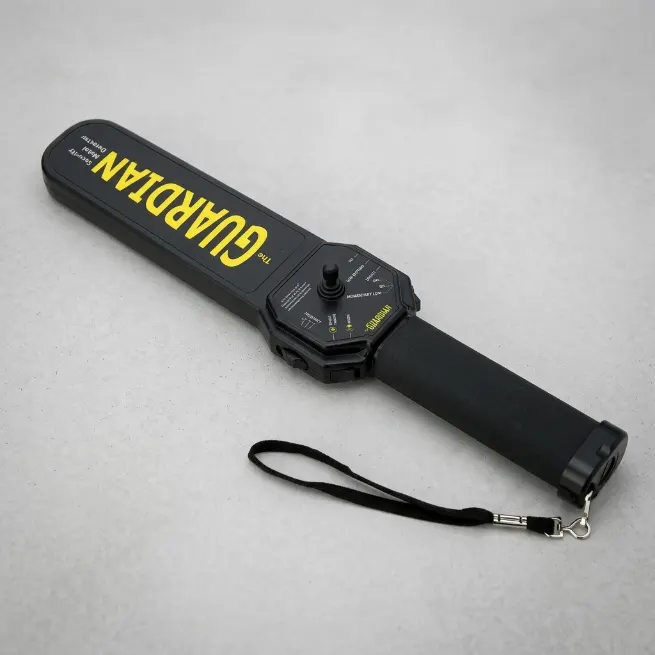
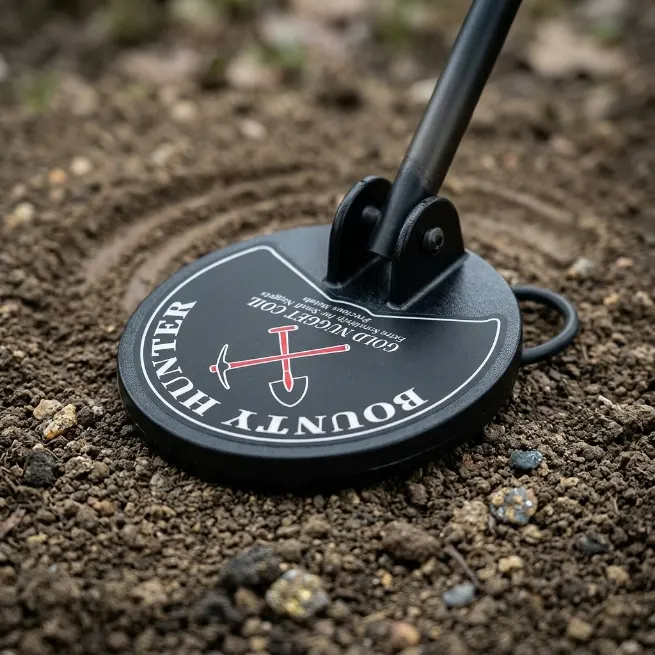
Bounty Hunter Detector FAQ
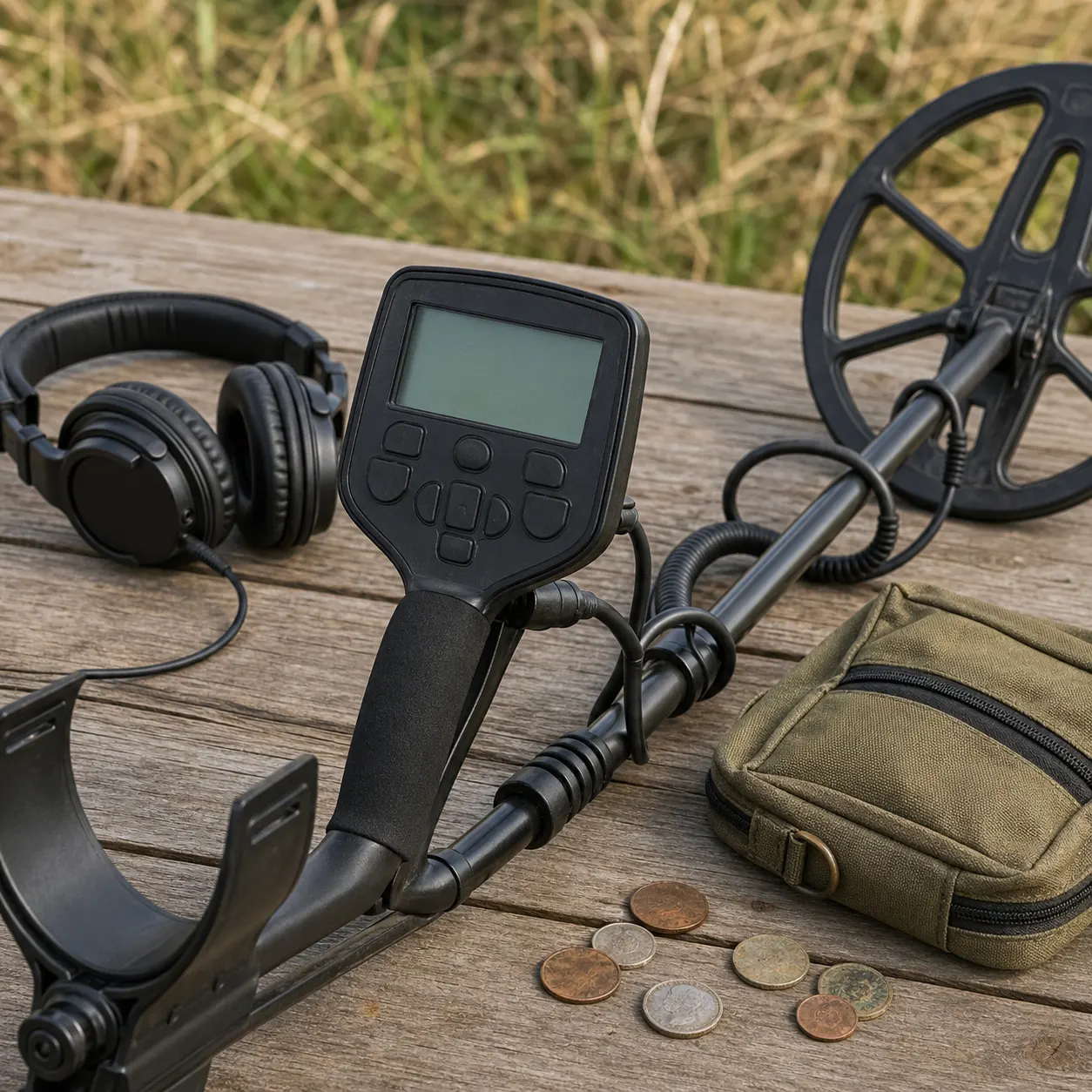
What is Bounty Hunter known for?
Bounty Hunter is known for hobby metal detectors, starter units, target ID models, and recovery tools. Many shoppers compare the range for coin, relic, jewelry, and general searches.
Which Bounty Hunter detector is a common starter pick?
Tracker IV is a common entry-level model to compare. It keeps the controls simple while still giving basic discrimination and search modes.
Can Bounty Hunter detectors be used in parks and fields?
Yes, many models are aimed at parks, yards, fields, and general hobby use. Always check local rules and get permission before searching private land.
What does target ID help with?
Target ID helps sort likely trash from coins, jewelry, and other signals before digging. It is still a guide, not a guarantee.
Should a pinpointer be added?
A pinpointer can make recovery faster once the main detector finds a target. It is useful for small coins and targets in loose soil.
Where should specs and manuals be checked?
Use current product listings, specification pages, and manuals. Compare coil size, target ID, audio tones, and battery requirements before choosing.
Buyer Notes
Short notes on setup, signals, and simple field use.
Mark D.
“Simple controls helped”
The basic controls made the first few hunts easier. It was still important to dig practice signals and learn the tones.
The basic controls made the first few hunts easier. It was still important to dig practice signals and learn the tones.
Jenna R.
“Remote control helped on awkward targets”
Being able to stand back helped with sight lines and cutter positioning. The job felt calmer and easier to control.
Being able to stand back helped with sight lines and cutter positioning. The job felt calmer and easier to control.
Chris L.
“Built more for work than show”
Nothing felt overcomplicated. The controls were predictable, and that mattered once the coil was down in the target.
Nothing felt overcomplicated. The controls were predictable, and that mattered once the coil was down in the target.
Mark H.
“Good fit for repeat service jobs”
The detector felt practical for small crews. Access, transport, and cleanup were easier to plan around.
The detector felt practical for small crews. Access, transport, and cleanup were easier to plan around.